
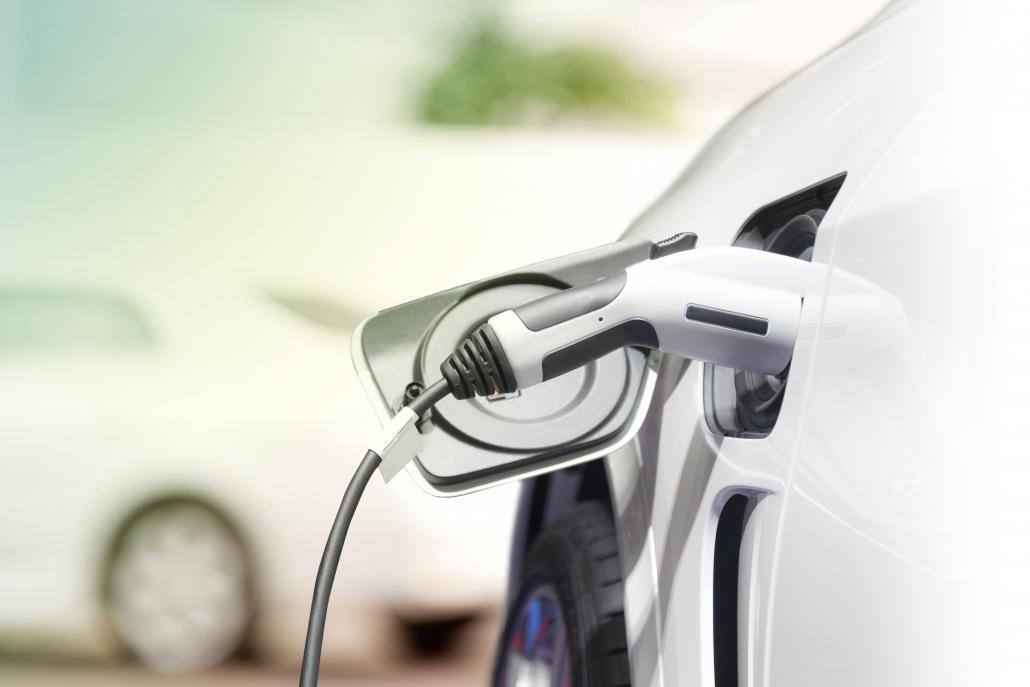
Reservations Regarding Electric Vehicles in Europe
Half of consumers in Europe see environmental benefits in purchasing electric cars, but have reservations regarding charging stations and performance. However, the latest study by data analyst YouGov shows a general increase in acceptance of these vehicles.
Approximately 11,000 people in nine European countries were surveyed by YouGov on the topic of electric mobility. 3% of respondents already own an electric car, 53% continue to rely on gasoline, and 33% on diesel. A particularly significant measurement concerns the factors that speak for or against purchasing this category.
While 25% are considering an electric vehicle, hybrid cars are preferred (30%). More than half of Europeans cite cost as the main factor against purchase. In addition, the low number of charging stations and limited range are mentioned as decisive points.
So why do Europeans want to purchase electric vehicles? 51% state that they would reduce environmental impact. In addition, lower maintenance costs, tax benefits, and parking availability play a role. While many respondents see clear advantages over purchasing a gasoline vehicle, just as many doubts are recorded.
The fact is that only 2% of Europeans already own an electric or hybrid vehicle. Furthermore, 12% state they would not recommend purchasing an automobile in these categories.
AUDIO MOBIL CEO Thomas Stottan also sees statements regarding usability and its necessary adaptation. “It will not be the question of motor drive that ultimately determines the success or failure of electric and hybrid vehicles. Rather, it is about advantageous use and adaptation of the operating concept.” For over 30 years, the company founder has been involved with the digitalization of mobility and usability as such. He is also a hybrid driver himself and sees two essential critical points in efficient use: “When you talk to other electric vehicle owners, there are two aspects that definitely need to be optimized. On the one hand, an automatic fuel cap should be considered, but what is even more essential is automatic charging, for example using an inductive charging plate. This way, users no longer have to think about charging their vehicles and range is no longer an issue. Then, in my opinion, electric mobility would find greater acceptance.” Experience with using hybrid vehicles shows that with constant, automatic charging, short distances can be covered purely electrically at well over 70% and long distances up to 20%.
Thomas Stottan also notes that automobile manufacturers could filter out additional positive and optimizable aspects through user studies, which can be covered by the expertise of AUDIO MOBIL Elektronik GmbH. An adapted usability concept would thus also lead to further acceptance of electric vehicles in the European automotive market. Expanding charging stations or reducing acquisition costs will hardly be sufficient.
Further aspects of e-mobility can be found here.







Leave a Reply
Want to join the discussion?Feel free to contribute!